Advantages of modern ventilation systems for pigsties

Ideal climate in the barn with precisely optimal air conditions
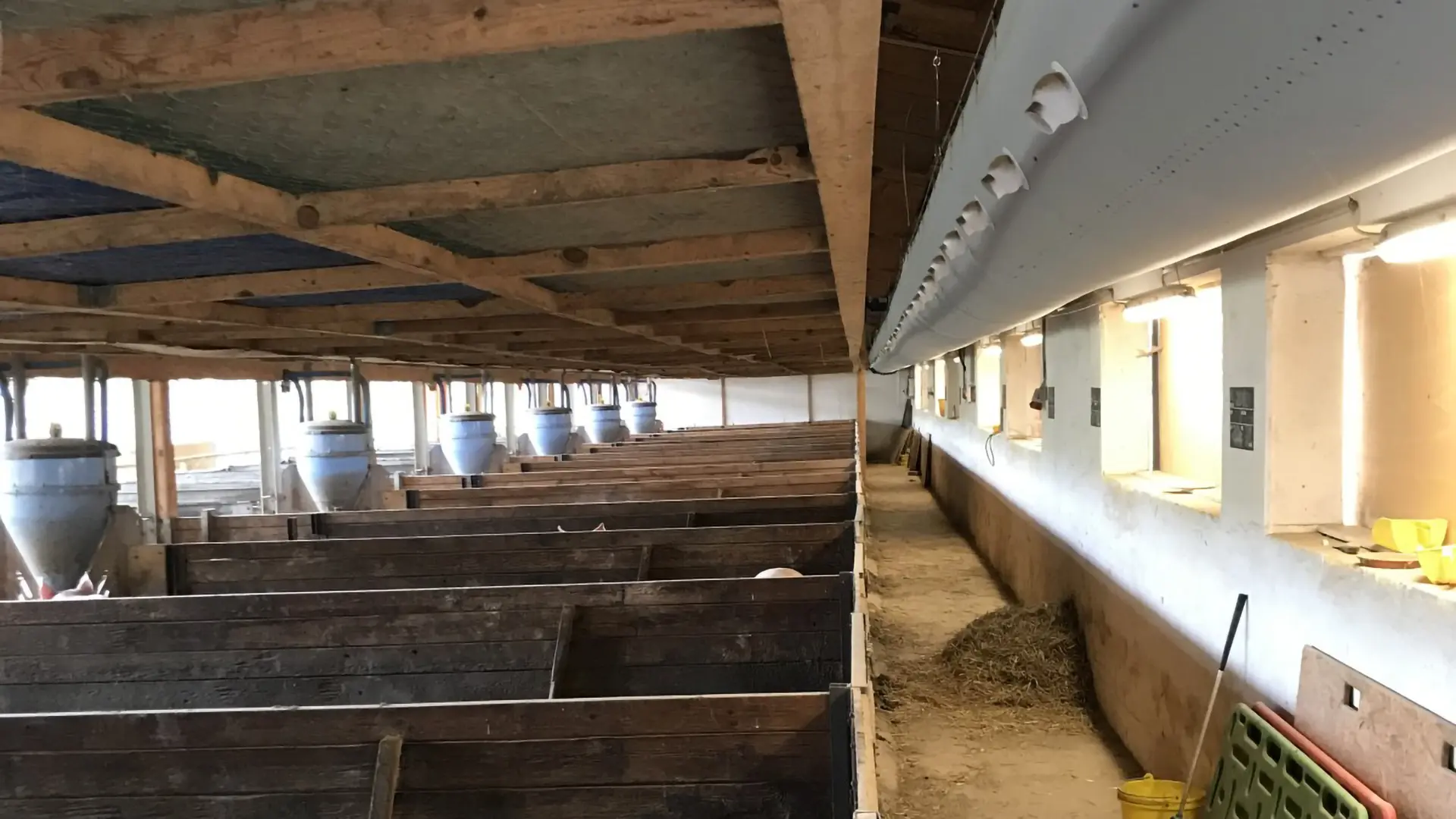
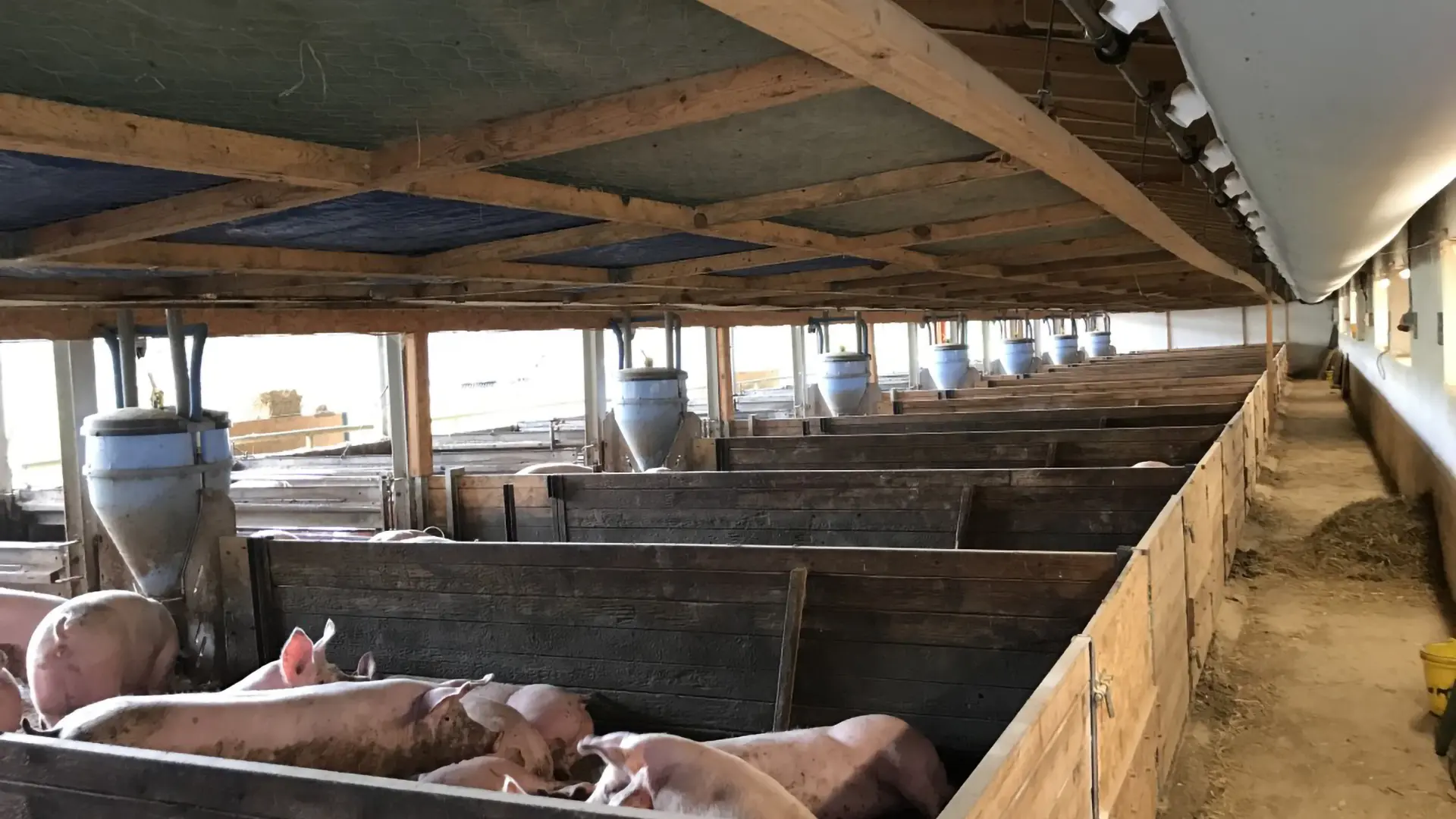
The ventilation system in the pig house is constantly stable and ensures even, draught-free air distribution from the beginning to the end of the hose. Individually adjustable fresh air volumes and speeds create optimum conditions in the pigsty.

Reduction of harmful gases in the barn
High-performance barn ventilation for pigs reduces the concentration of harmful gases such as ammonia and carbon dioxide. The hose ventilation prevents the circulation of polluted barn air and thus improves the air quality for animals and humans.

Rapid amortization through healthy animals
The CAT3000® system improves the housing conditions in the pigsty and ensures a stable animal population. Uniform housing conditions promote calm, well-being, animal health and performance. This reduces veterinary costs, while improving development and daily weight gains and reducing losses. Overall, the investment in the ventilation system often pays for itself after a short time.

Adaptation to seasonal and structural conditions
Our ventilation system ensures a consistent and controlled supply of fresh air, regardless of external factors such as weather conditions, temperature fluctuations, or variations in barn occupancy. Targeted, draft-free air distribution throughout the barn compensates for fluctuations and ensures a stable barn climate. Temperature, humidity, and air velocity remain stable within a range that is optimal for the animals.

Lower veterinary costs and less medication
A continuous supply of fresh air improves air quality in the pig barn. Barn ventilation removes harmful gases such as ammonia, as well as dust and germs, and ensures a stable barn environment. At the same time, the balanced climate promotes calmer behavior in the animals and reduces stress. Animals that feel comfortable are less susceptible to disease. Clean air strengthens pigs' immune systems and helps significantly reduce the use of medication and veterinary costs.
Holistic ventilation concept for pigsties
All components of the CAT3000® ventilation system are coordinated with each other and form a sustainable concept for modern and efficient pig house ventilation.
Quality down to the last detail
Features of the CAT3000® system
Robust, permeable fabric (prevents the formation of condensation)
Individually customizable - depending on the local conditions of your company
Washable at 40°C and can be disinfected
Fire protection tested: Class B - s1, d0 (no burning droplets)
Free of harmful substances (Oeko-Tex® Standard 100)
Laser perforation individually executed (advantage: no fraying of the holes)
Separable with zippers; easy to install thanks to the clip system
Variable adjustable nozzles
Mounting material incl. cable suspension completely in stainless steel
Highly efficient blade fans
Made in Germany
Convincing in use
Dr. Knopf and Oswald in the pig sector
FAQ – Pig Barn Ventilation & Barn Climate
Why is good ventilation important in a pig barn?
Efficient ventilation in a pig barn provides fresh air, reduces harmful gases such as ammonia and CO₂, and creates a stable barn environment. The continuous supply of fresh air also removes congestion and germs and relieves the animals’ respiratory systems. This keeps the pigs healthier, helps them grow better, and reduces veterinary costs.
How does the CAT3000® ventilation system work?
What criteria should I consider when choosing a ventilation system?
Are these ventilation systems only suitable for pig barns?
Our ventilation systems can be flexibly adapted to other types of livestock, such as cattle and calves, poultry, sheep, and goats. We can also optimally configure the systems for horse stables or specialized areas such as egg storage facilities and mushroom farms to ensure that fresh air is evenly distributed and the animals’ well-being is promoted.
How does ventilation affect daily weight gain and feed conversion?
Can a CAT3000® system be retrofitted in existing pig barns?
Give us a call,
We are always there for you
and advise you personally: +49 8092 853804-0,
or via our inquiry form: