Claw health: Why the barn climate is crucial for healthy claws
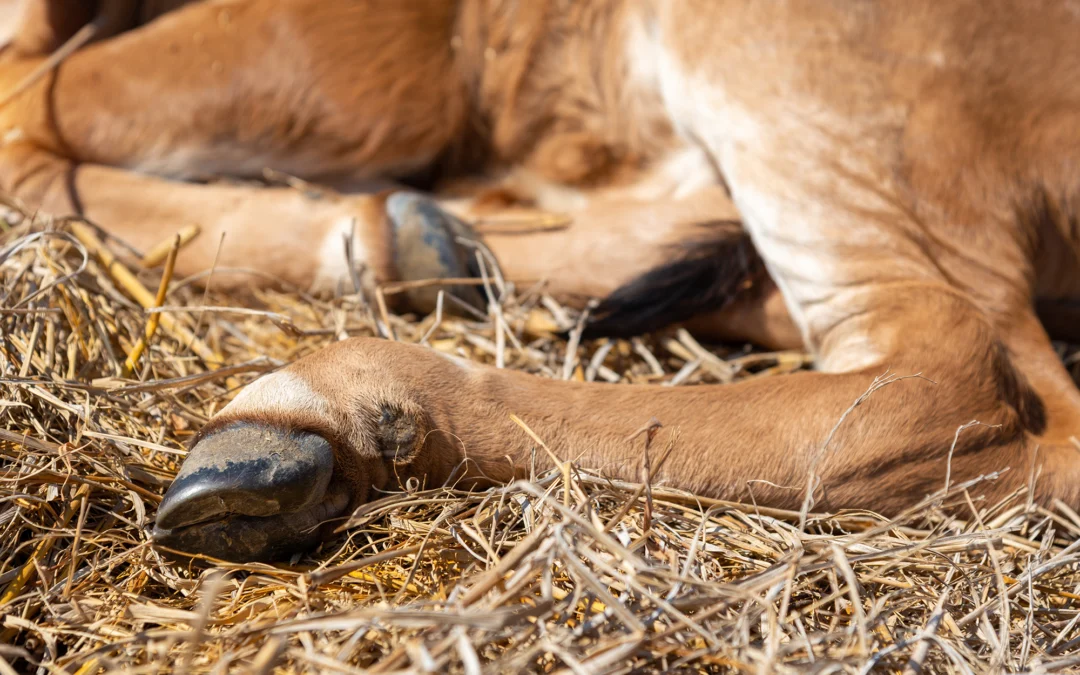
The claws of cattle are exposed to high levels of stress on a daily basis: Moisture, bacteria and mechanical stress affect the horn. Especially in poorly ventilated barn areas, the humidity rises sharply – an ideal breeding ground for pathogens that can cause claw diseases such as Mortellaro (dermatitis digitalis) or sole ulcers . Dry and clean claw surfaces are therefore the foundation of any successful claw prophylaxis.
Tube ventilation: Scientifically based protection for the claws
A modern hose ventilation system such as the CAT3000® system specifically improves the climate in the barn and offers demonstrable benefits for the hoof health of your cattle:
- Reduced humidity in the lying area
The constant and even supply of fresh air reduces the humidity in the barn to an optimum level (60-80 %). The hooves dry out more quickly, which significantly reduces the risk of putrefactive bacteria and softening of the horn capsule – both of which are the main causes of hoof diseases.
- Less germ contamination thanks to continuous fresh air
Hose ventilation systems significantly reduce the ammonia and germ load in the barn. Studies and practical experience show that a well-ventilated barn significantly reduces the incidence of infectious claw diseases such as Mortellaro. Fewer pathogenic bacteria mean fewer infections, especially in the sensitive interclavicular gap.
- Promotion of willingness to lie down and claw relief
Cattle prefer dry, pleasantly ventilated lying areas. Effective ventilation significantly increases the willingness to lie down: the animals lie down longer and more often, which considerably reduces the mechanical stress on the hooves. Less standing time means less pressure on the sole of the hoof – a decisive factor in preventing damage to the corium and the development of sole ulcers.
In addition, constant air movement over the animals’ bodies (convection) provides reliable protection against heat stress. Heat stress has far-reaching consequences: It leads to increased cortisol levels and suppresses the immune system. This significantly increases susceptibility to infectious claw diseases such as Mortellaro’s disease (dermatitis digitalis) or panaritium.
Another risk arises from heat stress-related changes in metabolism: less feed intake can lead to ketosis, which in turn lowers insulin levels and puts a strain on the liver. This chain of metabolic disorders weakens the dermis in the hoof, impairs horn production and makes the animals more susceptible to inflammation and hoof problems.
Standing cows also try to release excess heat through increased breathing (evaporation). Warm or damp lying surfaces (conduction) and a lack of shade (radiation) further worsen the situation: the animals stand for longer and thus increase the strain on the sensitive claw skin.
Good ventilation, which specifically ensures cool, dry lying surfaces, therefore actively supports claw health by promoting natural lying behavior and improving blood circulation and claw regeneration.
Additional advantages of hose ventilation
-
Avoidance of heat stress, which has a negative impact on hooves and overall health
-
Even distribution of fresh air without draughts, individually adaptable to barn size and animal requirements
-
Reduction in veterinary costs due to fewer diseases and better animal health
Conclusion: Hose ventilation as an active contribution to claw health
If you want to improve the hoof health of your cattle in the long term, you should focus on an optimal barn climate and effective moisture control. The CAT3000® hose ventilation system offers a modern and highly efficient solution to
-
Dry the lying areas in a targeted manner,
-
reduce the bacterial load,
-
increase the well-being and performance of the animals.
This makes the barn climate an active health precaution for healthy hooves and resistant cattle.
Would you like to reduce hoof problems on your farm? Contact us for individual advice on ventilation solutions!

Give us a call,
We are always there for you
and advise you personally: +49 8092 853804-0,
or via our inquiry form: